

New Impaired Driving Laws in Ontario: What Changed and When

Ontario's new impaired driving laws took effect in two stages. On January 1, 2026, roadside warn-range suspensions got longer and a lifetime licence suspension took effect for impaired driving causing death. On July 1, 2026, every impaired driving conviction began to carry a mandatory ignition interlock period followed by a six-month zero alcohol and zero drugs condition.
Both sets of changes came from amendments to Ontario's Highway Traffic Act made by the Safer Roads and Communities Act, 2024. They work alongside the federal Criminal Code, which still defines the impaired driving offences and sets the minimum penalties a court must impose. Below, we go through what changed on each date, how the conviction ladder now works, what stayed the same, and one further change that has been passed but is not yet in force.
Key Takeaways
- Since January 1, 2026, a first warn-range suspension in Ontario is seven days, a second is 14 days and a third is 30 days, counted over a 10-year look-back.
- Also since January 1, a conviction for impaired driving causing death brings an indefinite licence suspension that cannot be lifted for at least 25 years.
- Since July 1, 2026, anyone convicted of impaired driving must install an ignition interlock device for a set period, at least one year after a first conviction, followed by a six-month zero alcohol and zero drugs condition.
- The Criminal Code offences, the 80 mg blood alcohol limit for a criminal charge and the court minimum penalties did not change; they are federal.
- A lifetime suspension for dangerous driving causing death has been added to the Highway Traffic Act, but it takes effect on a date that has not been set.
What Changed on January 1, 2026
The first group of changes took effect on January 1, 2026, the date shown for them in the Act's amendment history. Two of them matter most to drivers: longer roadside suspensions and a new lifetime suspension.
Longer Roadside Suspensions in the Warn Range
The warn range is a blood alcohol concentration between 0.05 and 0.079. Under section 48 of the Highway Traffic Act, a police officer can ask for your licence when an approved screening device registers “Warn" or “Alert" or otherwise shows 50 milligrams or more of alcohol in 100 millilitres of blood. Since January 1, 2026, the suspension that follows is seven days for a first suspension, 14 days for a second and 30 days for a third or subsequent one. CBC reported in January that the first suspension had been three days before the change.
Ontario's penalty table adds more at each step. A first warn-range suspension also brings an 8-hour education course and a $250 penalty. A second brings a 16-hour treatment program and a $350 penalty. A third brings the treatment program, a six-month ignition interlock condition and a $450 penalty. A licence reinstatement fee applies every time your licence is suspended.
The look-back is 10 years: an earlier warn-range suspension counts toward the next step unless it took effect more than 10 years before the current one. The same seven, 14 and 30-day ladder and the same 10-year look-back apply to roadside suspensions for drug or drug-and-alcohol impairment under section 48.0.1, and Ontario applies the warn-range penalties to drivers who fail the Standard Field Sobriety Test. Our article on the roadside alcohol screening device explains how the roadside test itself works.
A warn-range suspension is administrative, not a criminal charge. The Act states that it does not take the place of any other proceeding or penalty arising from the same circumstances.
A Lifetime Suspension for Impaired Driving Causing Death
A new section 41.0.1 of the Highway Traffic Act took effect on January 1, 2026. It suspends a driver's licence “indefinitely" on conviction under subsection 320.14(3) of the Criminal Code, the offence of impaired operation causing death. Under section 57(4.2), that suspension cannot be lifted until it has been in effect for at least 25 years, and the waiting period is increased by any period of imprisonment the court orders.
Ontario's guidance lists what else follows that conviction: a mandatory education or treatment program, an ignition interlock device for at least six years, a minimum six-month zero alcohol and zero drugs condition once the interlock condition is removed, and a mandatory medical evaluation. Our article on what happens when impaired driving causes bodily harm or death covers the criminal side of these cases.
What Changed on July 1, 2026
The second group took effect on July 1, 2026, and it changes what happens after a conviction rather than at the roadside.
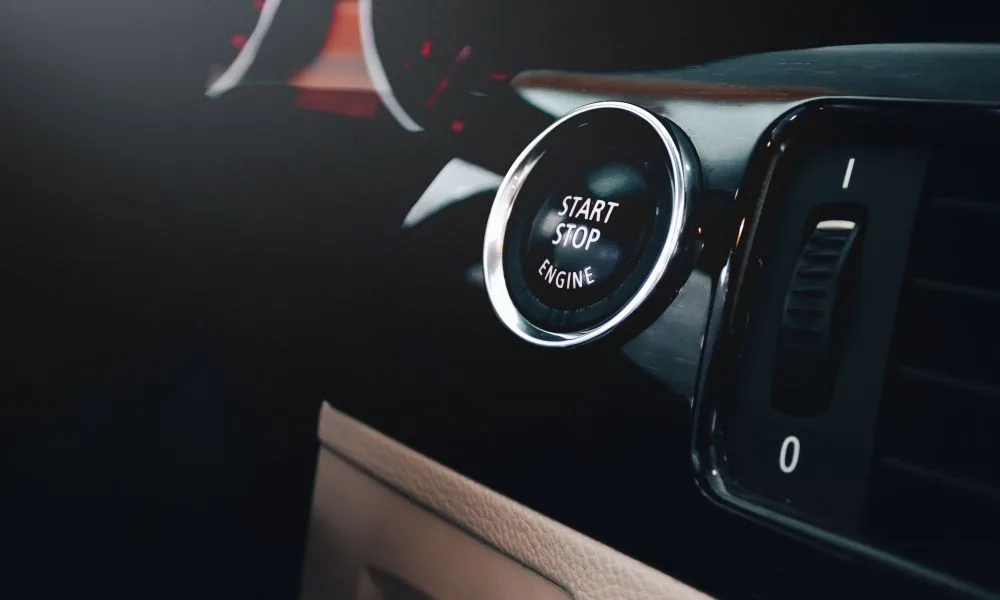
Ignition Interlock After Every Impaired Driving Conviction
From July 1, 2026, Ontario requires anyone convicted of impaired driving to install an ignition interlock device. The province's July 1 backgrounder describes the requirement as installing the device “for a set amount of time required by law."
Ontario's penalty page sets the minimum periods. After a first conviction, the licence is suspended for at least one year and the interlock device must be used for at least one year. After a second conviction within 10 years, the suspension is at least three years and the interlock period at least three years. After a third conviction within 10 years, the suspension is for life, with a possible reduction after 10 years, and the interlock period is at least six years. Every conviction also requires a mandatory education or treatment program.
Installing early can help in some cases: Ontario notes that you may be able to reduce the length of your suspension by installing an ignition interlock device early. Our guide to the ignition interlock device explains how the program works day to day.
The New Six-Month Zero Alcohol and Zero Drugs Condition
When the interlock condition comes off, a new condition takes its place. For at least six months, you must have “no alcohol and no drugs" in your system when you drive. Ontario's guidance calls it a “P" condition. The power to impose it was added to section 57 of the Highway Traffic Act by an amendment that took effect on July 1, 2026.
Breaching the condition has its own penalties. The first time, it is a seven-day suspension, an 8-hour education course and a $250 penalty. The second time, it is 14 days, a 16-hour treatment program and $350. The third time, it is 30 days, the treatment program, a six-month ignition interlock condition and $450. The condition stays on your licence until the program requirements are met and is removed only after six consecutive months with no alcohol, no drugs and no violations.
The Conviction Ladder as It Stands Now
The suspension lengths come from section 41 of the Highway Traffic Act: one year on a first conviction, three years on a first subsequent conviction, and an indefinite suspension on a second subsequent conviction. A later conviction counts as subsequent only if it comes within 10 years of the previous one. Ontario's guidance adds that a third-conviction lifetime suspension may be reduced after 10 years if you meet certain criteria, while a fourth conviction within 10 years brings a lifetime suspension with no possibility of reduction. Our article on a second DUI in Ontario explains how an older conviction can still matter in criminal court even when it falls outside Ontario's 10-year window.
What Did Not Change
The Criminal Code is federal law, and Ontario's amendments do not change it. It is still an offence to have, within two hours after you stop driving, a blood alcohol concentration that “is equal to or exceeds 80 mg of alcohol in 100 mL of blood." Section 320.19 still sets the minimum court penalties: a $1,000 fine for a first offence, 30 days in jail for a second and 120 days for each subsequent offence.
The length of Ontario's roadside response to a reading of 0.08 or more, or to a refusal, is also unchanged. Section 48.3 still imposes an immediate 90-day licence suspension, and Ontario lists a seven-day vehicle impoundment, an education or treatment program and a $550 penalty alongside it.
Coming Next: Dangerous Driving Causing Death
Ontario has also passed a new section 41.0.3, which would suspend a licence indefinitely on conviction for dangerous operation causing death under subsection 320.13(3) of the Criminal Code, with the same 25-year minimum before reinstatement. It comes into force on a day to be named by the provincial cabinet, so it does not apply yet.
Talk to a DUI Defence Lawyer
These changes make the consequences of a conviction longer and harder to undo, so an early review of the stop, the testing and the disclosure matters more than before. Contact us for a free, confidential review of an impaired driving charge in Ontario.
Conclusion
Ontario's new impaired driving rules came in two steps: longer roadside suspensions and a lifetime suspension for impaired driving causing death on January 1, 2026, then mandatory ignition interlock and a six-month zero alcohol and zero drugs condition after every conviction on July 1, 2026. The Criminal Code offences and court minimums are the same, but the provincial consequences that follow a roadside stop or a conviction are now longer and stricter.
FAQs
When did Ontario's new impaired driving laws take effect?
In two stages. Longer warn-range suspensions, the 10-year look-back and the lifetime suspension for impaired driving causing death took effect on January 1, 2026. Mandatory ignition interlock after every conviction and the six-month zero alcohol and zero drugs condition took effect on July 1, 2026.
What is the warn range penalty in Ontario?
A first warn-range suspension is seven days, with an 8-hour education course and a $250 penalty. A second is 14 days, a 16-hour treatment program and $350. A third is 30 days, the treatment program, a six-month ignition interlock condition and $450.
Is a warn range suspension a criminal charge?
No. It is an administrative suspension under the Highway Traffic Act. A blood alcohol concentration of 80 mg or more, or a refusal, is what can lead to a Criminal Code charge.
Do you need an ignition interlock after a first impaired driving conviction in Ontario?
Yes. Ontario lists a minimum of one year with an ignition interlock device after a first conviction, followed by a minimum six-month zero alcohol and zero drugs condition.
Can a lifetime licence suspension be reduced in Ontario?
For a third conviction within 10 years, Ontario says it may be reduced after 10 years if you meet certain criteria. For impaired driving causing death, the minimum is 25 years. A fourth conviction within 10 years brings a lifetime suspension with no possibility of reduction.
Do the new rules apply to young and novice drivers?
Yes. Drivers 21 and under and holders of G1, G2, M1 or M2 licences must have no alcohol and no drugs in their system when they drive. Ontario lists the same seven, 14 and 30-day suspension ladder for them, plus a fine of $60 to $1,000 if convicted.